
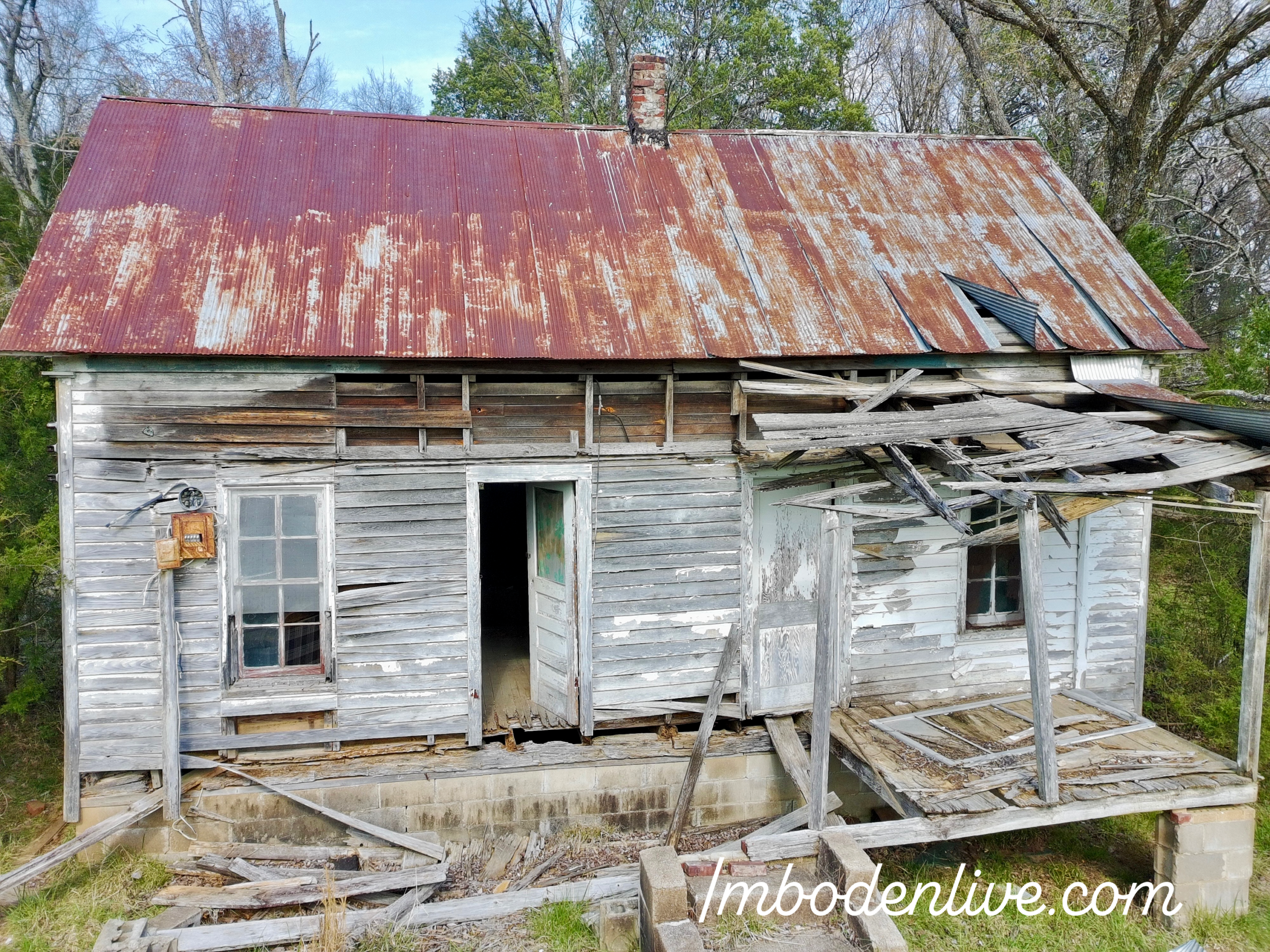
A “County Farm” or “Poor Farm” is a part of our historical past, although not something to be proud of, it was a way to care for those who had nothing. Of the residents living in these farms, some were financially destitute, some were “old and worn out”, some suffered from mental illnesses but all were considered “Paupers”.
Research shows the first county poor house land was purchased in April 1853 just outside Smithville Arkansas .
The County Farm at Clear Springs began late 1800’s
In 1904 lawmakers enacted a state law stating “every county must relieve its own poor”.
County Sheriffs, Coroners, Constables and Justice Of The Peace were instructed to give information to the courts of the poor. If the court was satisfied that applicants were paupers then the court ordered their commitment to the poor house where they were to remain until discharged by the court.
Able bodies were put out to work on annual bids to some local farms, “inmates” as they were referred to that were able bodied were required to work on the county farm also.
Locals referred to it as the “County Farm” rather than “Poor Farm” because of the large gardens, poultry, cattle and hogs making it nearly self sustaining in its early years.
The County Farm was located in the Clear Springs community between Black Rock and Imboden where the Rest Area on Highway 63 is located.
Residents spoke of two springs on the property along with two large dormitories and several other houses and barns.
What is known today as Rest Area Hill on Hwy 63 was called County Farm Hill by locals.
Mr. Charles “Bud” Verkler gave description in local papers of how Hwy 63 ran to the east of its current location, when Highway 63 was straightened and the Rest Area was built it divided the property.
Two house were moved when the Highway and Rest Area were constructed including the care givers residence which can still be seen today across from the Rest Area.
Mr. Verkler described helping caregivers when he was young, delivering meals of cornbread and milk in the evenings
Mr. Verkler stated at that time there were two houses for men and two houses for women.
Verkler also described the two springs on the property, one large for drinking water and the smaller was used for laundry.
Jeff Watts, son of Buster Watts, County Farm Caregiver from 1933-1940 grew up on the farm and recalls his father was paid $50 per month. Watts said he remembered as many as 40 residents on the farm.
During the Great Depression he recalled elderly being dropped off by family who could no longer afford to care for them.
Mr. Watts recalled that in the event of a death, a blacksmith in Black Rock would construct pine boxes for coffins, stating his job was to shave and dress the corpse, he and his brother would then dig the grave.
Mr. Watts recalled burying two blind men in the same day, describing the digging as brutal.
Mr. Watts stated most residents were “mostly old and worn out” but did recall one resident in his 20’s who was dropped off from the insane asylum in Little Rock, Watts described this person as “tongue tied” but was found later to be intelligent.
Watts recalled a country preacher by the name of Brother King who would come preach on Sunday’s and preach the funerals on the farm. Watts stated no records of the deaths were kept, no markers were placed.
Mr. Watts later visited the area after the Rest Area was completed and was quoted as saying “halfway up the hill behind the last picnic tables are the graves of those who never left the farm”.
In 1931 a Paragould newspaper article stated the farm was “well equipped “ for the purpose intended and stated that a jail was built, instead of idling away their time, inmates could work on the farm. Living quarters for the poor and infirm were described in the article as complete and comfort.
By December 1940 the farm was considered a financial liability on Lawrence County, records show there were only 13 residents at the time, records show Lawrence County was in a major financial crisis.
In 1940, Lawrence County Judge Irby stopped paying salary claims associated with the farm and placed an injunction prohibiting allowance of any claims except those of a constitutional nature, stating the county had not been able to pay claims or salaries since September 1st 1940.
The County Judge made several attempts to sell the property and turn the remaining residents over to the Welfare Department for assistance and placement in private residences.
The farm did not sell and continued through the late 1950’s
The county still owns the majority of the property.
Efforts are underway to identify the sites of possibly two cemeteries on the property. Several witness accounts state there are a group of graves with markers located near the caretakers house, other accounts from earlier years say there are unmarked graves behind the Rest Area.


Special thanks to the staff at the Powhatan Historic Courthouse, Bobbie Jean Memorial Library in Imboden and the Northeast Arkansas Regional Archives.
All photo’s copyright of Imbodenlive.com